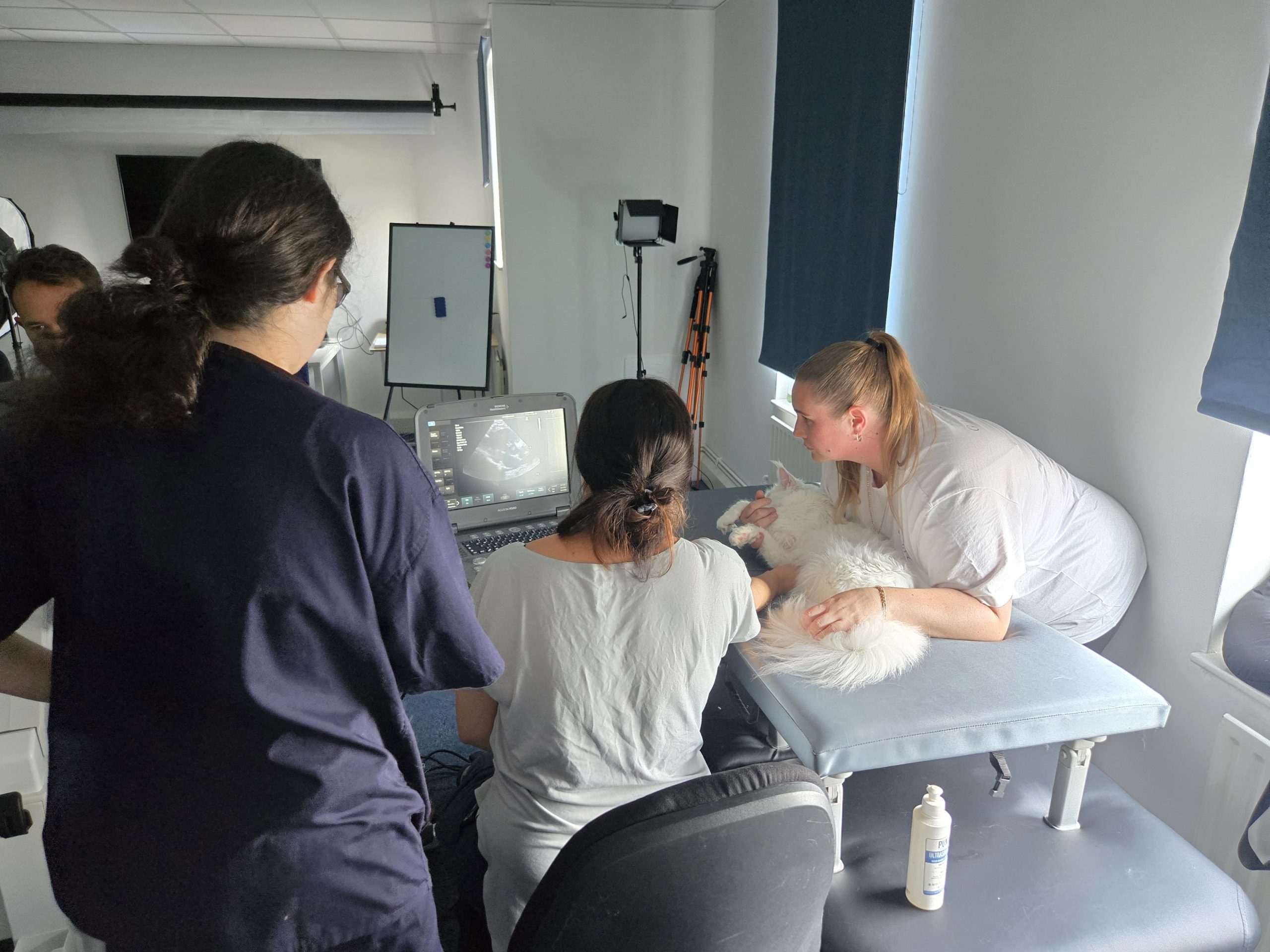
When it comes to whether ultrasound is better than x-ray, you might expect us to be a little biased at PUM (Portable Ultrasound Machines); there’s the significant worry about radiation, the huge difference in equipment pricing and specialist training, and obviously the convenience of handheld ultrasound devices is not to be sniffed at. However, in truth, there’s good reason why these two technologies have been developed, and the bottom line is that they often serve different purposes.
Wondering if you should be booking in for an x-ray or contacting an ultrasound technician? Let’s explore some of the key roles these two disciplines play in the medical industry.
Is Ultrasound Better Than X-Ray? It Depends on the Job.
If we’re debating whether ultrasound is better than x-ray, it’s important to first look at how each technology works and what it’s designed for.
X-rays use ionising radiation to produce detailed images of dense structures—especially bones. This makes them ideal for spotting fractures, dental issues, lung conditions, and certain tumours. Because x-rays can pass through the body and be absorbed at different rates, they give doctors a clear view of hard tissues quickly and efficiently.
Ultrasound, on the other hand, relies on high-frequency sound waves to generate real-time images. There’s no radiation involved, which makes it a safer option—particularly for pregnant women or repeated use. Ultrasound excels at visualising soft tissues: muscles, tendons, blood vessels, organs, and developing foetuses. It’s also increasingly used for guided procedures like biopsies or injections due to its dynamic, live imaging.
Safety First: Radiation vs. Sound Waves
A key concern when comparing these two is exposure to radiation. X-rays, though typically low-dose, still carry some risk with frequent use. Ultrasound sidesteps this entirely, making it a preferable option when ongoing monitoring is needed.
Cost, Portability, and Accessibility
Another major consideration around whether ultrasound is better than x-ray is cost and convenience. X-ray machines are typically large, expensive, and require shielding. Ultrasound, especially portable devices, offers a more flexible, lower-cost solution that can be used at the bedside, in ambulances, or even remote locations; PUM even offers a course designed for showcasing lifesaving, practical ultrasound techniques that are essential in field hospitals and under resourced countries. This accessibility, afforded only by the adaptable, versatile nature of ultrasound is transforming care in both hospitals and field settings.
When Is Ultrasound the Better Choice?
- Pregnancy monitoring
Ultrasound is the gold standard in prenatal care because it poses no radiation risk. It provides real-time images of the developing foetus, allowing clinicians to monitor growth, detect abnormalities, and assess fluid levels or placental positioning—safely and non-invasively.
- Imaging soft tissues, like the liver or kidneys
Ultrasound is particularly effective at visualising soft tissue structures that x-rays can’t easily detect. It’s commonly used to assess organs such as the liver, gallbladder, pancreas, kidneys, and bladder. It can identify cysts, stones, fluid build-up, or inflammation in these areas.
- Guiding injections or drainage procedures
Because ultrasound provides real-time imaging, it’s ideal for guiding needles during procedures like joint injections, biopsies, or draining fluid from abscesses or cysts. This helps improve accuracy and reduce complications.
- Monitoring blood flow and heart function
Doppler ultrasound allows clinicians to assess blood flow through arteries and veins, making it invaluable for detecting blockages, clots, or narrowed vessels. It’s also used in echocardiography to examine the heart’s function, structure, and rhythm in great detail.
- Emergency or mobile diagnostics where portability matters
Portable and handheld ultrasound devices are becoming a key tool in emergency and remote settings. They allow rapid assessment of trauma, internal bleeding, or organ function without needing to move the patient or access a full radiology suite. This flexibility can save crucial time in urgent care.
When Is X-Ray Still the Gold Standard?
- Diagnosing bone fractures or breaks
X-ray imaging is unmatched for evaluating bones. It clearly shows fractures, dislocations, and bone alignment issues, making it the first-choice imaging tool in orthopaedic and emergency care settings.
- Detecting lung infections like pneumonia
Chest x-rays are frequently used to identify infections such as pneumonia, tuberculosis, or chronic conditions like COPD. They can reveal fluid in the lungs, abnormal shadows, or changes in lung tissue density quickly and with high clarity.
- Identifying certain tumours or abnormalities in dense tissues
While ultrasound is great for soft tissues, x-rays can sometimes better detect calcified masses, bone tumours, or certain types of cancers that appear denser than the surrounding tissue. In these cases, the contrast x-ray offers can help with early detection and diagnosis.
- Dental imaging
Dental x-rays provide essential views of teeth, roots, jawbone, and surrounding structures. They’re a routine part of dental care for diagnosing cavities, impacted teeth, bone loss, or abscesses—things ultrasound simply can’t show in this context.
- Assessing joint dislocations or arthritis
X-ray remains the standard for evaluating joints. It helps assess the severity of dislocations, measure joint space (a key factor in arthritis diagnosis), and detect bone spurs or degenerative changes over time.
So, Is Ultrasound Better Than X-Ray?
The answer really depends on the situation. If you’re dealing with bone injuries or lung conditions, x-ray is often the most efficient and accurate tool. But if you’re monitoring a pregnancy, examining soft tissue, or need a safe, mobile diagnostic method, ultrasound may well be the better choice.
Rather than thinking of one as superior to the other, it’s more accurate to say they complement each other. Each plays a vital role in modern medicine, and the best choice will always depend on what needs to be seen.