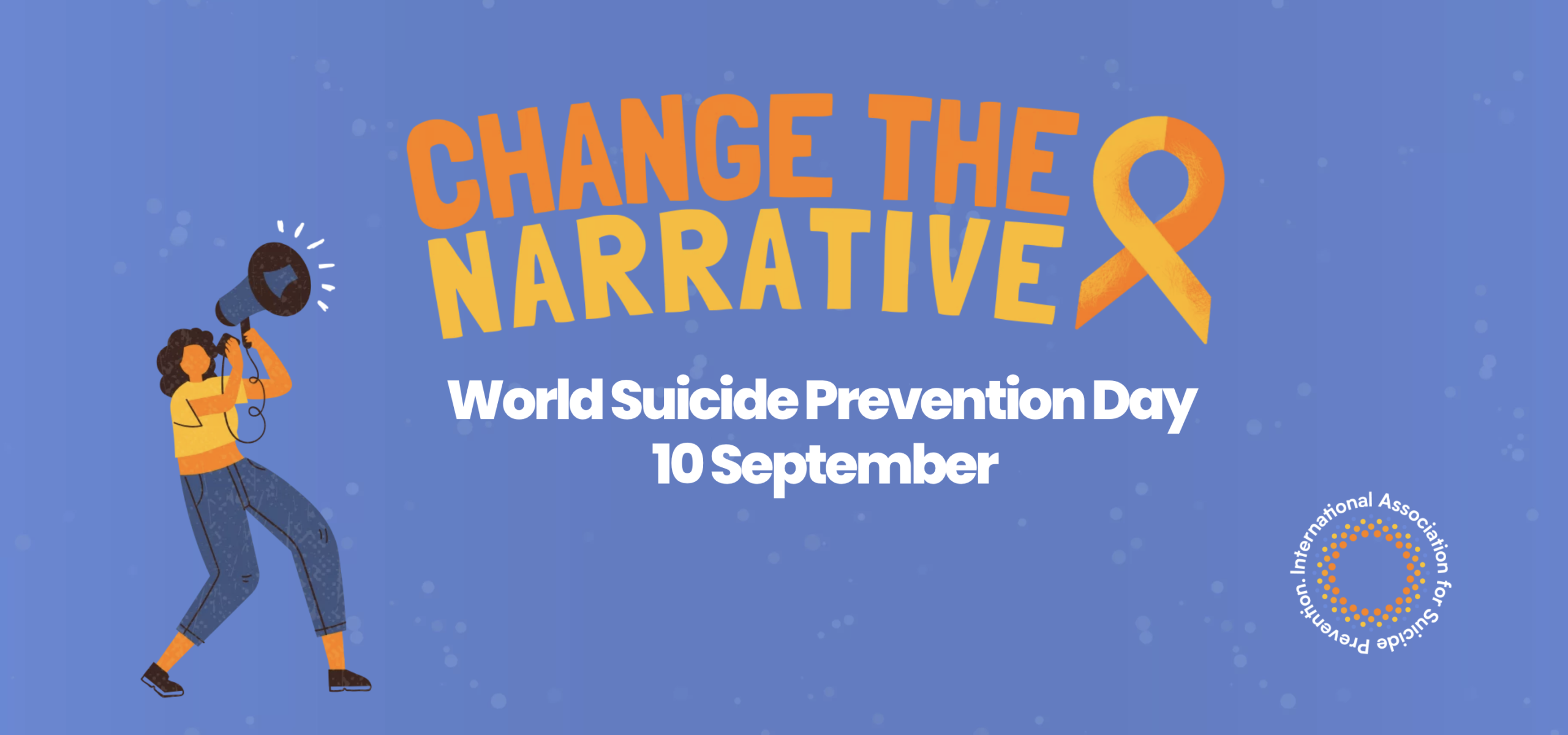
Thursday, 10 September, marks World Suicide Prevention Day, and once again the veterinary profession is using the occasion to highlight the disproportionate pressure that leads to some alarming statistics in this sector.
A recent post from The Links Group did exactly that this week; restating something that many in the profession know all too well: proportional mortality ratios for suicide among veterinarians are significantly higher than the general population, with veterinary surgeons having relative mortality ratios approximately four times higher than the general population and roughly twice that of other healthcare professionals. The post also pointed readers towards two vital resources, Vetlife and the Samaritans, and flagged an event well worth diarising.
To mark the day, the RCVS is inviting members of the veterinary community to join its free Mind Matters Initiative research webinar, “Changing the narrative on veterinary suicide”, taking place online from 11am to 12pm on Thursday 10 September 2026.
Chaired by RCVS Director for the Advancement of the Professions Angharad Belcher, the session features research presentations from Helene Seljenes Dalum DVM PhD, a veterinary surgeon and researcher from the Institute for Studies of the Medical Profession in Norway, and Dr Alena Gadoury BVSc (Hons) BScN, a veterinary surgeon and postgraduate researcher from Griffith University in Australia. Delegates will have the opportunity to ask both speakers questions at the end of the session.
It’s free, it’s an hour, and it’s exactly the kind of evidence based conversation the veterinary profession needs more of. If you haven’t already registered, it’s worth doing so.
Why “3-4 times higher” should change how we think about support
Statistics like these can become numbing through repetition; but sitting behind every figure is a colleague, a classmate, a friend. The uncomfortable truth is that the pressures driving these numbers, isolation, moral distress, financial strain, client conflict, unsociable hours, access to means, and a culture that still prizes stoicism, don’t switch on overnight. They accumulate.
Which is exactly why waiting until crisis point to think about support is the wrong approach.
We tend to talk about mental health support as something you reach for in an emergency, a number to call when things become unmanageable. That framing isn’t wrong, but it’s incomplete. If a support network only exists in your mind as an emergency measure, you’re far less likely to use it early, and far more likely to reach the point where you feel you have no other option.
The healthier model is to build a support network the way you’d build any other piece of infrastructure: something that’s simply there, running quietly in the background, whether you’re having a difficult week or your best month in years. That might look like:
- Regular check-ins with colleagues, not just “how’s work” but “how are you”, asked often enough that an honest answer feels normal rather than alarming.
- Becoming a Mental Health First Aider to educate yourself on the signs of mental ill health and in workplace advocacy be a support to others, in addition to being aware of your own mental health.
- A named person or two, inside or outside the practice, who you’d genuinely tell if things were getting on top of you, before they became overwhelming.
- Peer support or mentoring relationships that exist independently of appraisals or performance reviews.
- Familiarity with the professional resources available, so that reaching out feels like a known, low-friction step rather than an unfamiliar leap.
None of this replaces professional help when it’s needed. But a strong everyday network makes it far more likely that struggles are noticed and addressed early, long before they escalate into crisis.
Save these details, even if you never think you’ll need them
Vetlife and the Samaritans exist precisely for those moments when things do feel unmanageable, whether that’s a passing bad day or a genuine crisis. But their real value often isn’t in your own use of them; it’s in being able to hand that number to a colleague who’s struggling and doesn’t know where to turn.
- Vetlife offers confidential emotional support specifically for the veterinary community, alongside financial and health support services.
- The Samaritans provide 24/7 confidential listening support for anyone, in any kind of distress, whether or not there’s a crisis point.
Save both numbers in your phone today. Not because you expect to need them, but because one day a friend, a colleague, or a student might, and having the answer ready in that moment can make all the difference.
Culture change starts with individual conversations
Ultimately, the goal isn’t just to survive World Suicide Prevention Day with the right statistics shared and the right webinar attended; it’s to build a profession where support is so woven into daily practice that fewer people ever reach the point of desperation in the first place. That starts with small, consistent acts: checking in, listening properly, normalising the conversation, and making sure that when someone does need to reach out, they already know exactly where to go.