It’s funny how politics changes everything. When I was at university 20 years ago, climate change was simply science. We learnt about how the earth’s climate had been changing over millennia, and how the rate of change has accelerated since the industrial revolution. At this time, public awareness and political attention was minimal, and it was very much an academic subject.
Over the last decade, we have all witnessed climate change become less abstract, and more concrete in the minds of the public. While people disagree on the causes of global warming, few now completely deny its existence.
We are aware that our clients are very much impacted by climate change. Veterinarians will be faced with new diseases; farmers are already on the front line of climate change around the world. Our pets and patients are some of the most vulnerable to the impacts of global warming.
What are we doing about it?
We can all do our best to look after our environment, and in 2025, we have made this one of our company goals for the year. As part of this commitment to you, we are:
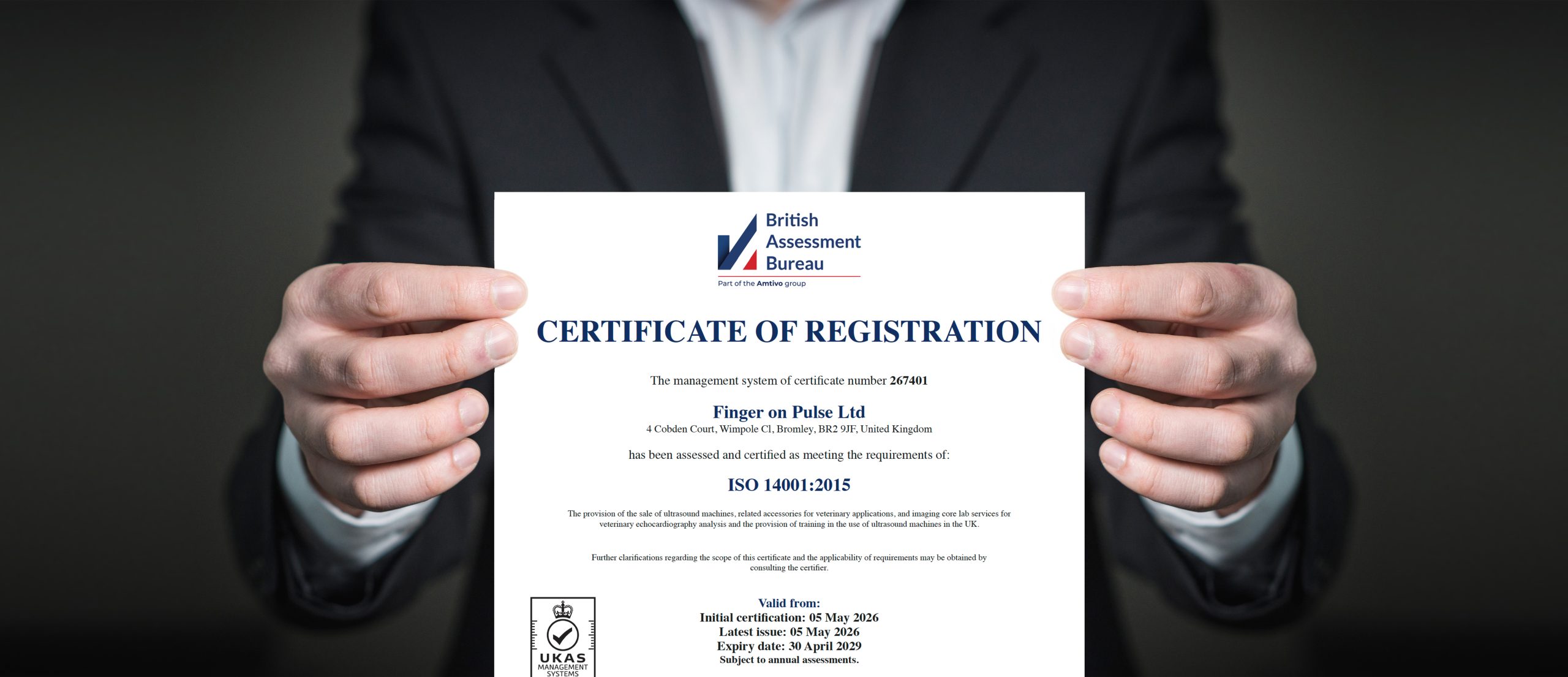
Working on obtaining our environmental certification, ISO 9001. This is a huge undertaking for our team, and means examining our systems and processes every level – sometimes in what feels like forensic detail!
Shifting to bringing major components in by ship rather than plane. This brings new challenges in terms of stock planning and cashflow, but the environmental savings are huge, with 20x fewer carbon emissions per kilogram-kilometer compared to air freight. This year, we have successfully shifted 45% of our components to ship rather than air freight, and we plan to grow this percentage year-on-year.
Using sustainable packaging. This has been a focus of ours for the past 15 years, and we continue to remain vigilant about the origins of our packaging today. All of our boxes are made from recycled cardboard, and we avoid using plastic packaging or ‘packaging peanuts’ wherever possible. Styrofoam packaging peanuts also pose risks to dogs and cats, if ingested; another reason for us to avoid them! On occasions where you might see us use bubble wrap, know that this is largely reclaimed from incoming shipments. It is not part of our normal process to wrap products in bubble wrap, or any type of plastic.
Collaborating with and supporting research projects with a positive environmental impact. These include manta ray and sea turtle conservation projects in the Maldives, and research into reducing methane emissions in UK cattle.
Improving efficiencies in our training of artificial intelligence (AI). We train neural networks to improve the workflow and reporting of ultrasound examinations for our clients, and are acutely aware of the environmental impact of AI training. We are continually improving our efficiency with regard to this – training neural networks more effectively using fewer images, epochs, and therefore overall training time (model optimisation); starting with pre-trained models; avoiding running training at peak times of day when energy demands are at their highest; and using cloud-based GPUs powered by sustainable energy sources.
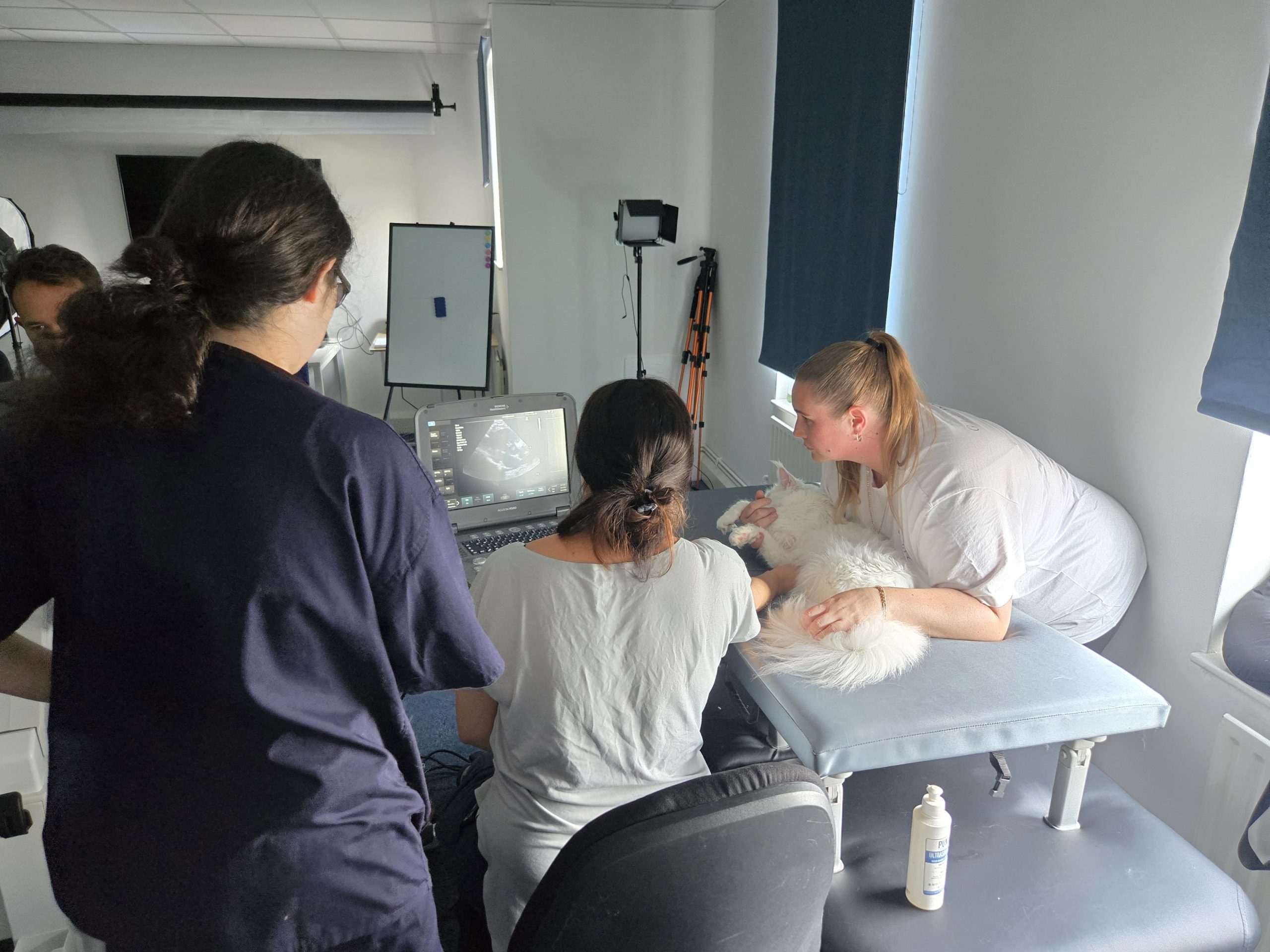
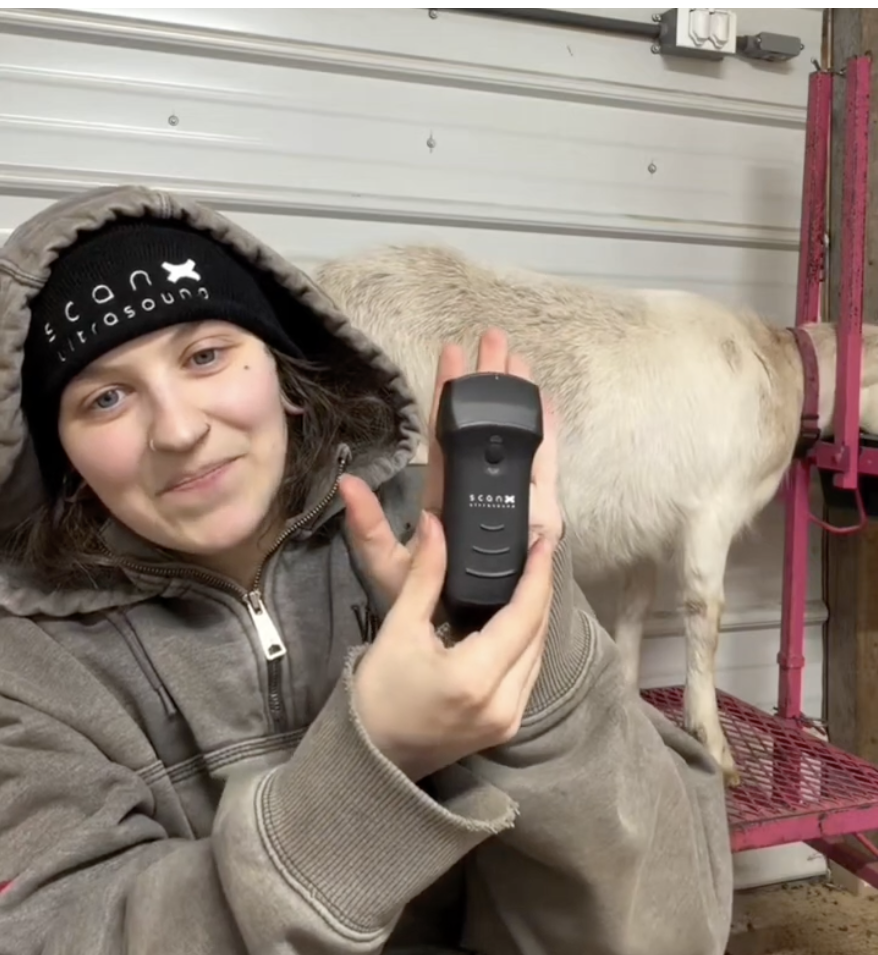
Reducing travel. There are times when we need to travel to client sites to demonstrate equipment or deliver group training. In these instances, we use public transport in all but the most exceptional circumstances (i.e. inefficient transport links between our premises and the client’s location). We support our customers post-sale through live Zoom calls, and in 2023 we migrated the vast majority of our training (veterinary echocardiography, small animal pregnancy scanning and goat pregnancy scanning) to an online format.
Human-written correspondence. Did you know that sending a single question to ChatGPT emits 10x more carbon than a Google search? We enjoy communicating with our customers, and all of our articles, emails and Facebook comments are written by real humans. I don’t know about you, but I can spot an AI-written article or comment a mile off, and it definitely puts me off a company right away.
We want to hear from you
As part of the ISO 9001, if you are a client or potential client of ours, you are considered a stakeholder. This means your voice carries weight, and we want to listen to your concerns. If you have any environmental expectations of us that you want us to meet or are unsure as to whether or not we are meeting them, we want to hear from you. Please contact us with your questions or ideas today.
Newsletter
Signup our newsletter to get update information, news, insight or promotions.