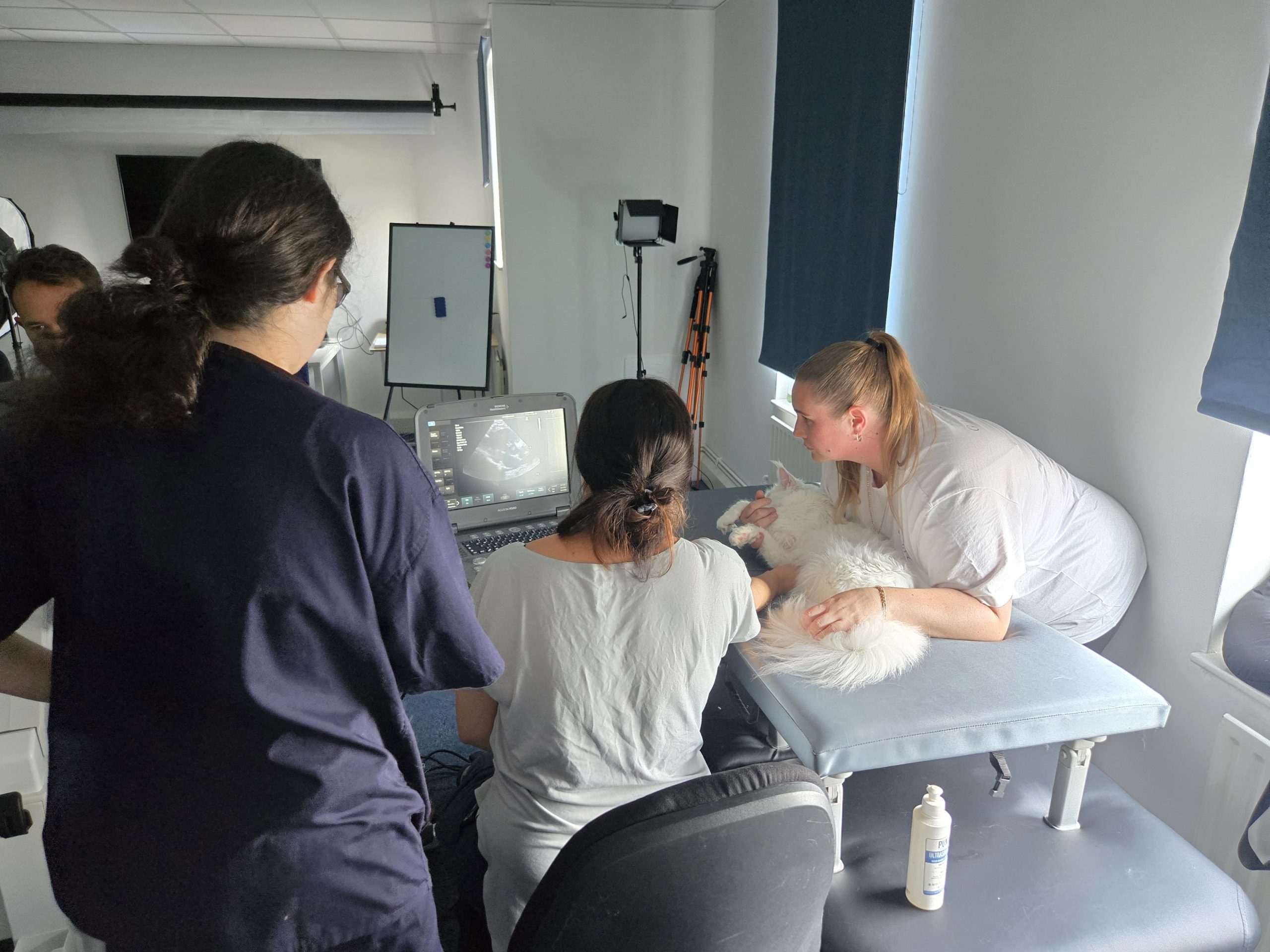
During Mental Health Awareness Week 2026 (11th-17th May), there is an important opportunity to recognise the mental health challenges faced by veterinary professionals. The role of a veterinary surgeon is often described as rewarding and fulfilling, yet behind this lies a complex and demanding profession that requires constant emotional resilience.
A key source of support within the profession is Vetlife. This UK charity provides confidential emotional support, financial assistance, and peer guidance to those working in veterinary roles. Its services are vital in addressing the growing need for accessible mental health support across the sector.
The Emotional Demands of Veterinary Work
In addition to the continual stream of routine vaccination and wellness appointments, veterinary surgeons are required to make difficult clinical decisions every day. These decisions are not solely based on medical judgement; they are often shaped by financial limitations, client expectations, and ethical considerations, particularly in cases involving euthanasia. Over time, this can contribute to compassion fatigue, a condition that reduces the ability to maintain empathy and personal emotional resilience due to prolonged emotional strain.
For graduate vets, the transition into practice can be particularly challenging. Many enter the profession well trained clinically, but less prepared for the emotional burden that accompanies real world scenarios. Without structured support, they are frequently left to manage stress and mental health pressures independently during the early stages of their careers.
Understanding the Scale of the Issue
Research continues to highlight the extent of mental health concerns within the UK veterinary profession. Studies indicate that 26.3 per cent of vets report anxiety, while 5.8 per cent report depression. Around 21.3 per cent have experienced suicidal thoughts within a twelve month period. Suicide rates among veterinary professionals are estimated to be four times higher than in the general population.
In addition, 90 per cent of vets describe their work as stressful. Contributing factors include long working hours, high pressure environments, emotionally charged interactions with clients, financial pressures, and the cumulative impact of compassion fatigue.
Pressures Within the Practice Environment
Veterinary surgeons operate within busy and often unpredictable workplaces. Alongside clinical responsibilities, they must manage relationships with colleagues across both front and back of house teams. They are also required to support distressed pet owners, often during emotionally difficult situations.
These professional demands exist alongside personal responsibilities, creating a constant balancing act. While more experienced vets may develop strategies to maintain a healthy boundary between empathy and professionalism, mental health challenges such as anxiety, depression, and burnout can affect individuals at any stage of their career.
The Importance of Accessible Support
Organisations such as Vetlife play a crucial role in supporting veterinary professionals. They provide resources that range from immediate confidential support to longer term guidance on managing stress and building resilience.
Seeking support should be viewed as a proactive step rather than a reactive measure. Whether through helplines, peer networks, or educational tools, accessing these services can help individuals develop healthier coping strategies and maintain their wellbeing over time.
A Sustainable Future for the Profession
A career in veterinary medicine offers significant personal and professional fulfilment. However, sustaining this over the long term requires consistent attention to mental health. Taking time to reflect, setting clear boundaries, and engaging with available support systems are essential practices.
Mental Health Awareness Week serves as a reminder that while the demands of the profession are unlikely to change, the approach to supporting those within it can continue to improve. For both graduate vets and experienced practitioners, reaching out for support, or simply learning new ways to manage stress, is an important step towards a healthier and more sustainable career.