
From 13 to 19 July 2026, Snake Week offers an opportunity to better understand one of the world’s most misunderstood groups of animals. Centred around World Snake Day on 16 July, Snake Week encourages people to learn more about snakes, appreciate their importance in nature, and understand how we can safely coexist with them.
Although organised by the US based team at snakeweek.org, the campaign’s messages are just as relevant in the UK: education, conservation and responsible animal welfare are global issues, and the principles promoted throughout Snake Week can help dispel myths while encouraging respect for these fascinating reptiles.

Above: one of the excellent free resources available from snakeweek.org
For centuries, snakes have suffered from an unfair reputation. Popular culture has often portrayed them as dangerous or aggressive, despite the fact that most species pose little threat to people and would much rather avoid human contact altogether.
Snake Week exists to change those perceptions through evidence based education. Conservation groups, scientists, zoos, museums, herpetological societies and wildlife organisations host events throughout the week, both online and in person, helping people understand the vital role snakes play within healthy ecosystems.
The campaign also places a strong emphasis on responsible messaging. Snake Week organisers only approve events that meet strict welfare and safety standards. These include:
These standards help ensure that public education remains accurate, responsible and focused on the welfare of both people and animals.
Many people are surprised to learn that the UK is home to three native snake species.
The adder is Britain’s only venomous snake and is easily recognised by the distinctive dark zig zag pattern running along its back. Despite its reputation, adder bites are exceptionally rare and fatalities have not been reported in the UK since the 1970s.
Adders generally avoid people and will usually move away if given the opportunity. They can be found in woodland, heathland and moorland, with Scotland being home to the country’s only naturally occurring snake species. Female adders retain their eggs inside their bodies, giving birth to 6 to 20 live young in late summer.
The grass snake is the UK’s largest native snake, sometimes growing beyond one metre in length. They are excellent swimmers and are often found near ponds, wetlands and rivers.
Unlike adders, grass snakes lay eggs, frequently choosing compost heaps where the warmth provides ideal incubation conditions.
The smooth snake is Britain’s rarest native snake and has a very limited distribution. It is found almost exclusively on sandy heathland habitats in parts of Dorset, Hampshire and Surrey.
Because of its rarity and protected status, many people will never encounter one in the wild.
One of the UK’s most commonly mistaken reptiles is the slow worm.
Despite its snake like appearance, the slow worm is actually a legless lizard. Unlike snakes, slow worms have eyelids and blink regularly. They also have a more uniform body shape with little distinction between the head and neck. Perhaps most remarkably, they can shed their tail to escape predators, a defence mechanism shared by many lizards but not snakes.
Learning to identify the difference helps improve public understanding and prevents harmless wildlife from being unnecessarily disturbed.
The chances of encountering a snake in the UK are relatively low, but warmer weather between spring and early autumn increases the likelihood of sightings as snakes emerge from hibernation.
If you do see a snake while walking or working outdoors, the best approach is simple- keep a respectful distance, allow the animal an escape route and never attempt to handle it. Snakes are an important part of our natural environment and play a valuable role in controlling rodent populations and maintaining ecological balance.
By understanding their behaviour, we can replace fear with respect and enjoy sharing our countryside with these remarkable animals.
At ScanX, we share Snake Week’s commitment to responsible animal welfare and evidence based care. Alongside our work with veterinary professionals, we are proud to support reptile breeders and enthusiasts with specialist imaging solutions designed for a wide range of species.
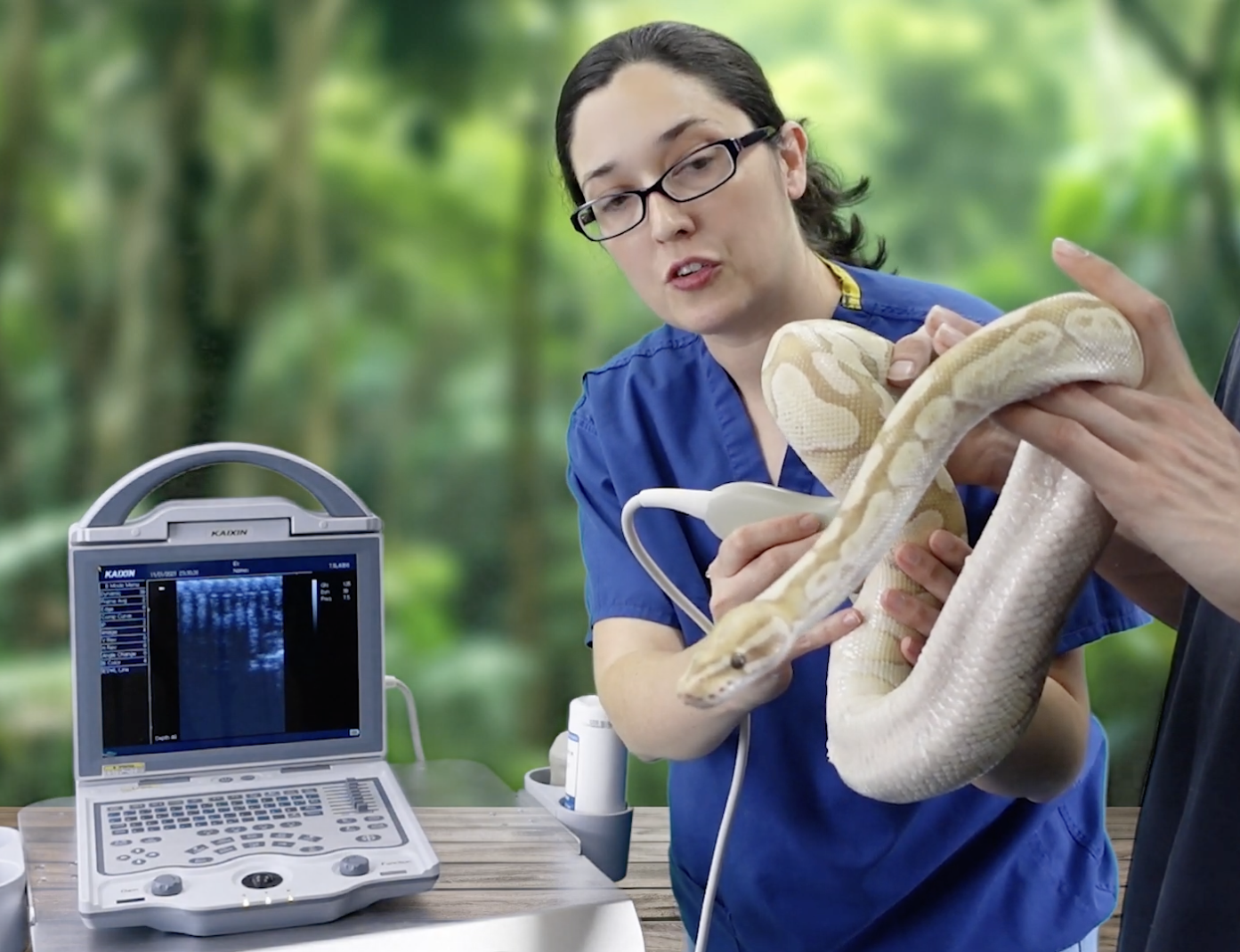
One of our most popular systems is the KX5600v, configured specifically for snake and reptile scanning. This best selling ultrasound machine includes the linear probe preferred by many reptile breeders, with an optional footswitch available for keeping both hands free during examinations. The flexible configuration allows customers to tailor the system to their individual requirements, and accessories such as a battery can be added if portable operation is needed.
Watch our head sonographer, Catherine Stowell, demonstrating the KX5600v on a ball python:
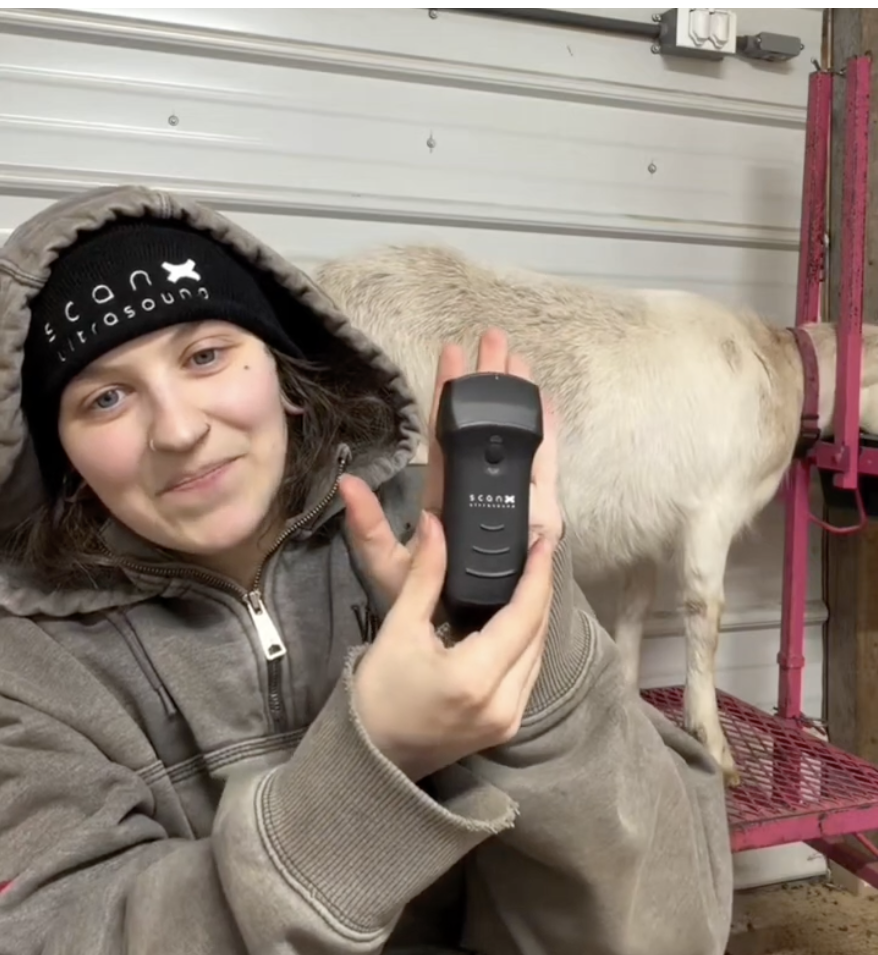
We were also delighted to see the KX5600v recently featured in a YouTube Short by @bayou.boyz.reptiles, demonstrating how ultrasound technology can support responsible breeding and animal care.
Whether you are an experienced reptile breeder, an exotic veterinary practice or just beginning your journey with reptile husbandry, our team is always happy to discuss your individual requirements and help you find the most suitable imaging solution.
Snake Week is about far more than celebrating snakes for a few days each year. It is an opportunity to challenge misconceptions, promote conservation, encourage safe behaviour and recognise the essential role snakes play in healthy ecosystems.
Even here in the UK, where native snake species are few and sightings are relatively uncommon, greater understanding benefits both wildlife and people. By replacing myths with facts, we can help ensure these remarkable reptiles continue to thrive for generations to come.
This Snake Week, take the opportunity to learn something new, share accurate information and celebrate one of nature’s most fascinating and misunderstood animals.